
Living in Louisiana, we know firsthand how much a swimming pool can add to a home. With our long, hot summers and mild winters, having a pool isn’t just a luxury—it’s something you can enjoy nearly year-round. Whether it’s for cooling off on a scorching afternoon, hosting family gatherings, or simply adding value to your property, a well-built pool is an investment that pays off in more ways than one.
But installing a pool isn’t as simple as picking a design and digging a hole. It’s a major project that requires careful planning. Over the 10 years, we’ve seen homeowners run into unexpected costs, long delays, and even legal issues because they didn’t fully understand what goes into Louisiana pool installation. That’s why before starting, it’s crucial to focus on three key factors:
Costs – Pools come in different types, sizes, and materials, and each option affects the overall price. From the initial installation to long-term maintenance, understanding the Pool installation cost in Louisiana will help you budget properly and avoid surprises.
Timelines – Some pools, like fiberglass, can be installed in just a few weeks. Others, like concrete, take months. Knowing how long the process takes helps you plan ahead and set realistic expectations.
Best Practices – Working with a reputable contractor, securing the right permits, and planning for ongoing maintenance can save you time, money, and frustration in the long run.
With the right approach, installing a pool can be an exciting and rewarding experience. In this guide, we’ll walk you through everything you need to know to make the best decision for your home and your budget.
Costs of Pool Installation in Louisiana
When it comes to installing a pool in Louisiana, the costs can vary a lot. The final price depends on the type of pool, its size, the materials used, and any extra features you want to add. As a pool contractor, we always tell homeowners that planning ahead and understanding the Cost of building a pool in Louisiana is the key to staying within budget. Whether you’re looking for a fiberglass, vinyl, or concrete pool, each has different price points and long-term maintenance needs. Let’s break it down.
Factors Affecting Pool Costs
Several factors play a big role in how much your pool will cost.
1. Pool Type, Size, and Materials
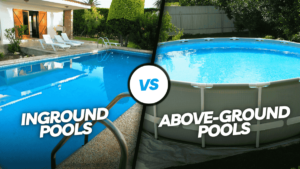
The type of pool you choose is the biggest cost factor. Here’s a look at your options:
- Fiberglass Pools – These are factory-made and delivered in one piece. They are quicker to install and require less maintenance than other options. However, they come in pre-set sizes and shapes, so customization is limited.
- Vinyl Pools – These are a more budget-friendly option upfront. They have a soft vinyl liner that gives the pool a smooth feel, but that liner needs to be replaced every 5 to 10 years, which adds long-term costs.
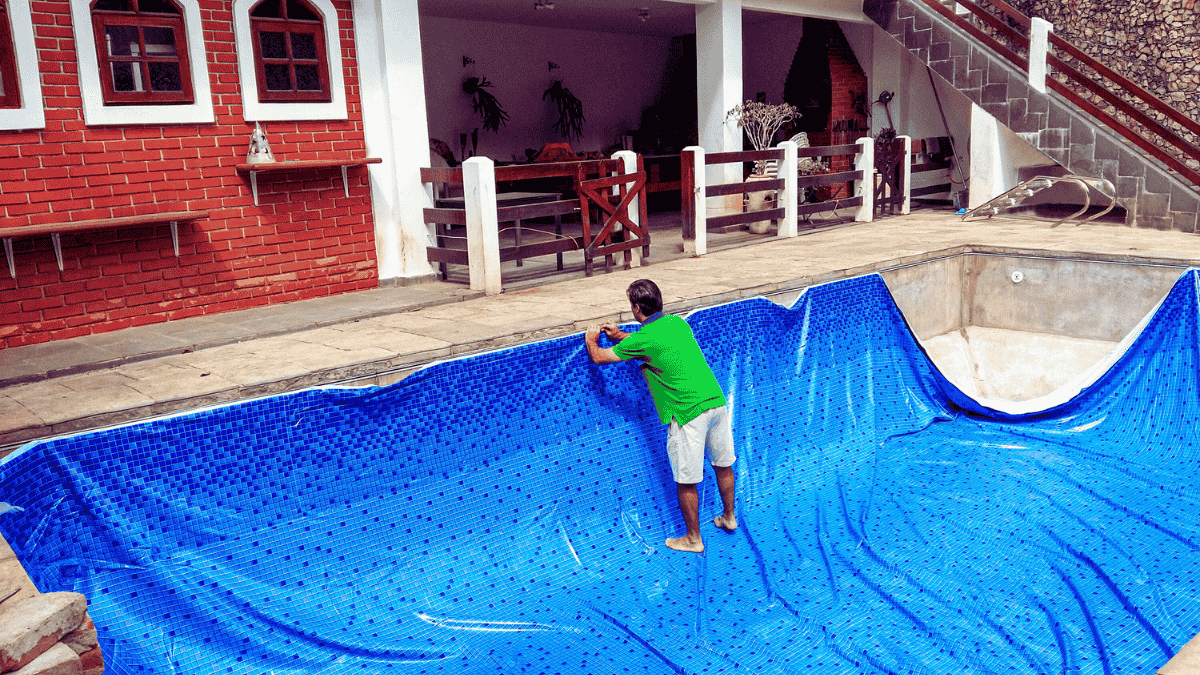
- Concrete (Gunite) Pools – If you want a completely custom pool, concrete pool installation Louisiana is the way to go. You can shape it any way you want, but it comes at a higher price and requires more time to build. It also needs regular resurfacing every 10–15 years.
Size Matters – The bigger the pool, the more materials, labor, and excavation are needed, which drives up costs. A larger pool also means higher long-term maintenance costs.
2. Additional Features and Accessories
Many homeowners want to upgrade their pools with extra features, Pool accessories and add-ons. These can make your pool more comfortable and visually appealing but will increase your total investment:
- Pool Heaters – A gas heater costs around $1,850 on average, helping you use the pool year-round.
- LED Lighting – Costs between $400 and $800, great for nighttime swimming and safety.
- Handrails & Ladders – Essential for safety, usually add $200 to $500.
- Water Features – Fountains, waterfalls, or jets can cost anywhere from $1,000 to $10,000, depending on complexity.
- Pool Covers – A basic cover costs $500–$2,500, while an automatic cover can go over $10,000.
Cost Breakdown by Pool Type
Now, let’s look at how much each type of pool typically costs.
1. Fiberglass Pools Prices Louisiana
- Average Cost: $57,655 for a standard 15′ x 30′ fiberglass pool
- Price Range: $50,388 – $64,923, depending on features and site conditions
- Pros: Quick to install, low maintenance, and long-lasting
- Cons: Limited design options, and sizes are pre-set
2. Vinyl Pools Cost Louisiana
- Liner Replacement Cost: Around $2,489 for a 16′ x 32′ pool
- Total Installation Cost: $35,000 – $55,000
- Pros: Cheaper upfront, custom shapes available
- Cons: Liners must be replaced every 5–10 years, adding long-term costs
3. Concrete (Gunite) Pools
- Price Range: $55,000 – $75,000+, depending on size and custom features
- Pros: Completely customizable, long lifespan
- Cons: Takes longer to install, higher maintenance costs
Additional Costs to Consider
Many homeowners forget to budget for extra costs beyond the initial pool installation. Here are some expenses you’ll want to keep in mind:
1. Energy-efficient pool heating systems
- Gas Heaters – Around $1,850, ideal for year-round swimming.
- Electric Heat Pumps – $2,500–$5,000, more energy-efficient over time.
2. Lighting & Safety Features
- LED Pool Lights – $400–$800 per fixture, improves visibility and aesthetics.
- Safety Fencing – Required in many areas, costs between $1,500 and $3,500.
3. Pool decking and landscaping costs
- Concrete Decking – $5–$10 per square foot, a basic but durable option.
- Stamped Concrete or Pavers – $15–$30 per square foot, for a high-end look.
- Landscaping – Costs $2,000–$10,000, depending on the design.
4. Long-Term Pool maintenance expenses Louisiana
- Routine Maintenance – $1,200–$1,800 per year for cleaning, chemicals, and minor repairs.
- Resurfacing (for Concrete Pools) – Needs to be done every 10–15 years, costing $5,000–$10,000.
- Liner Replacements (for Vinyl Pools) – $2,000–$5,000 every 5–10 years.
Timelines for Pool Installation in Louisiana
One of the biggest questions we get as a pool contractor is, “How long does it take to install a pool?” The answer depends on the type of pool you choose. Some pools can be installed in just a few weeks, while others take several months. If you’re planning to have a pool ready for summer, you’ll need to start early and consider all the factors that could impact the timeline.
Pool construction timeline Louisiana
Every pool type has a different installation timeline. Here’s what you can expect:
- Fiberglass Pools – These are the fastest to install. Most fiberglass pools take 3 to 8 weeks from start to finish. Since the shell is pre-manufactured, most of the work is site preparation, plumbing, and finishing.
- Vinyl Pools – Vinyl liner pools are also relatively quick. A typical vinyl pool takes 3 to 6 weeks to install. The frame and liner are assembled on-site, which speeds up the process.
- Concrete (Gunite) Pools – These take the longest. A concrete pool can take 3 to 6 months to complete. Concrete needs time to cure properly, and custom designs add to the timeline.
Pro Tip: If you’re thinking about adding a pool for next summer, start planning in the winter or early spring to avoid peak season delays.
Key Stages of Pool Installation
Regardless of the type of pool you choose, every project goes through four main stages. Here’s a breakdown of what happens at each step:
1. Planning & Permits (1–3 Weeks)
Before we even break ground, we need to handle the paperwork and design details.
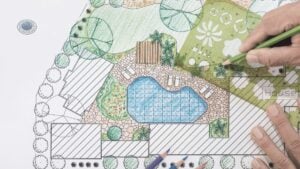
- Site Inspection & Design – We work with you to design the perfect pool for your space and needs. This includes selecting the size, shape, and features.
- Permit Approvals – Every city and parish in Louisiana has its own building codes. Depending on your location, permits can take anywhere from a few days to a few weeks to be approved.
- HOA and Neighborhood Restrictions – If you live in a community with a homeowners’ association, we’ll also need to check their guidelines before we begin.
2. Excavation & Pre-Construction (1–2 Weeks)
Once we have the green light, it’s time to prepare the site.
- Excavation – We dig out the area where the pool will be placed. This can take anywhere from a few days to a week, depending on soil conditions and the size of the pool.
- Leveling and Foundation Work – We make sure the ground is stable, add drainage solutions if needed, and lay down the foundation.
Potential Delays: If we hit rock, poor soil, or high water tables, excavation can take longer. This is something we assess during the site inspection.
3. Pool Construction (4–8 Weeks for Fiberglass/Vinyl, 8–16 Weeks for Concrete)
This is where your pool really starts to take shape.
- Fiberglass Pools – The shell is delivered and placed in the hole, then leveled and secured. Plumbing and electrical work follow.
- Vinyl Pools – The frame is built, then the liner is installed, and we add the plumbing and filters.
- Concrete Pools – This takes the longest. We build the frame, apply the gunite (sprayed concrete), and allow it to cure for 28 days before finishing.
4. Finishing Touches (1–4 Weeks)
Once the pool structure is complete, we focus on making it look great and function properly.
- Decking & Coping – This includes concrete, tile, or pavers around the pool.
- Custom Features – Waterfalls, lighting, and spa features are installed.
- Final Inspections & Startup – Local inspectors check that everything is up to code, and we balance the water chemistry to get your pool ready for use.
Factors That Affect Timelines
Even with the best planning, some things can slow down the process. Here are the most common issues:
1. Weather Conditions in Louisiana
Louisiana’s climate can be unpredictable
- Heavy Rain & Storms – Rain can delay excavation and concrete curing. Hurricane season (June–November) can cause major setbacks.
- Extreme Heat – High temperatures can impact concrete drying times and working conditions for the crew.
Pro Tip: Spring and fall are the best times to install a pool in Louisiana, as the weather is more stable.
2. Permit Approvals & HOA Restrictions
- Some parishes process permits faster than others. In cities like New Orleans and Baton Rouge, it can take longer due to stricter building codes.
- HOAs might have extra rules on fencing, landscaping, or pool placement, which can add time.
3. Contractor Availability
- Peak pool season (spring and summer) is the busiest time for contractors. If you wait too long to book, you might end up on a long waiting list.
- Skilled labor shortages can also slow things down, especially for custom projects.
Pool installation isn’t an overnight job, but with the right planning, it doesn’t have to take forever. Fiberglass and vinyl pools are great for homeowners who want a quick turnaround, while concrete pools require more patience but offer unlimited design options.
If you’re considering a pool, we recommend starting the planning process at least 6 months in advance. That way, you’ll have plenty of time to handle Pool permits and regulations in Louisiana, customize your design, and avoid peak season delays.
Looking to get started on your dream pool? Let’s talk and create a plan that fits your timeline and budget!
Best Practices for a Smooth Pool Installation
Installing a pool is a big investment, and we’ve seen projects go smoothly—and others hit major roadblocks. The difference? Planning ahead and working with the right people. If you want to avoid costly mistakes and unnecessary delays, follow these best practices for a hassle-free Louisiana pool installation.
Choosing the Best Pool Contractors in Louisiana
We can’t stress this enough—the contractor you hire will make or break your pool project. We’ve met plenty of homeowners who tried to save money by hiring an unlicensed or inexperienced builder, only to end up with a poorly constructed pool that cost even more to fix.
What to Look for in a Pool Contractor
- Licensing & Insurance – Always check if your contractor is licensed in Louisiana and carries liability insurance. This protects you if something goes wrong during construction.
- Experience with Your Pool Type – Not all contractors specialize in every pool material. If you want a fiberglass pool, hire someone who has installed dozens, not just a few.
- Reputation & Reviews – Look up reviews online and ask for references. A good contractor won’t hesitate to show you past work or let you talk to previous clients.
- Written Contracts – Never rely on verbal agreements. Make sure you have a contract that clearly outlines costs, timelines, and warranties.
Pro Tip: Ask how long the contractor has been in business. If they’ve been installing pools for 10+ years, that’s usually a good sign they know what they’re doing.
Navigating Local Regulations
Louisiana has strict pool safety and building codes, and every parish may have slightly different rules. If you skip this step, you could face hefty fines or be forced to redo parts of your pool.
Understanding Pool Permits
- In most cities, you must get a building permit before starting construction. This involves submitting your pool design for approval.
- You may also need electrical and plumbing permits, depending on the complexity of your pool’s setup.
- If you live in a neighborhood with a homeowners’ association (HOA), check their guidelines first—some have rules on pool size, fencing, or even the type of decking you can use.
Common Legal Requirements
- Fencing & Safety Barriers – Most Louisiana cities require pools to have a fence at least 4 feet high with a self-latching gate.
- Drainage Compliance – Some areas have strict drainage rules to prevent flooding or water runoff issues.
- Setback Rules – You can’t build a pool too close to your property line. The required distance varies by parish.
Pro Tip: A good contractor will handle the permit process for you, but always double-check what’s required so you don’t get caught off guard.
Planning for Unexpected Delays
No matter how well we plan, delays happen. We always tell our clients to prepare for a few setbacks, especially when dealing with Louisiana’s unpredictable weather.
Weather-Related Challenges
- Heavy Rain & Storms – Rain can delay excavation, concrete curing, and even fiberglass pool delivery. Hurricane season (June–November) is the worst time for outdoor construction.
- Extreme Heat – High temperatures can slow down work, as crews need extra breaks to avoid heat exhaustion.
How to Minimize Delays
- Start in the Off-Season – Fall and winter are the best times to install a pool in Louisiana. There’s less rain, and contractors aren’t as busy.
- Have a Backup Plan – If bad weather is in the forecast, be flexible with your timeline. Some parts of the installation can be rescheduled without major setbacks.
- Work with a Reliable Contractor – A seasoned contractor will plan ahead for weather delays and adjust schedules accordingly.
Pro Tip: If you need your pool ready by summer, start the planning process at least 6 months in advance to avoid peak season delays.
Budgeting for Upgrades and Maintenance
Most homeowners focus on the upfront cost of the pool, but they forget about long-term expenses. A well-planned budget will keep you from overspending and help you save money in the long run.
Must-Have vs. Luxury Features
Before you add a ton of extras, decide what’s essential and what’s just a nice-to-have:
Must-Haves:
- Pool filter & pump (required for water circulation)
- Pool fencing (often legally required)
- Basic decking (concrete, pavers, or wood)
Luxury Upgrades:
- LED lighting & water features ($500 – $5,000+)
- Heated pool system ($1,500 – $5,000)
- Custom tile or infinity edge ($5,000 – $15,000+)
If you’re on a budget, start with the essentials and add upgrades later.
Long-Term Maintenance Costs
Your pool will need regular upkeep, and some materials cost more to maintain than others. Here’s what to expect:
- Fiberglass Pools – Low maintenance. They don’t require resurfacing and need fewer chemicals.
- Vinyl Pools – Liner replacements cost $2,500+ every 5–10 years.
- Concrete Pools – Need acid washing and resurfacing every 10–15 years, costing $5,000 – $10,000.
Pro Tip: Investing in an automatic pool cover ($3,000 – $7,000) can reduce evaporation, keep debris out, and lower chemical costs over time.
A successful pool installation comes down to three things: hiring the right contractor, following local regulations, and planning ahead. If you take the time to research and budget properly, you’ll avoid costly surprises and get a pool that adds real value to your home.
Conclusion
Installing a pool in Louisiana is a big decision, but with the right plan, it can be a smooth and rewarding process. A pool isn’t just an upgrade—it’s an investment in your home and your lifestyle. If you take the time to plan wisely, you’ll enjoy your pool for years without unexpected costs or delays. Whether you’re dreaming of backyard summer fun or looking to boost your property’s value, a well-installed pool can be one of the best decisions you make.
Thinking about installing a pool? Let’s talk!( 337-354-5657) We’re here to guide you through the process and make sure you get the best pool for your home.